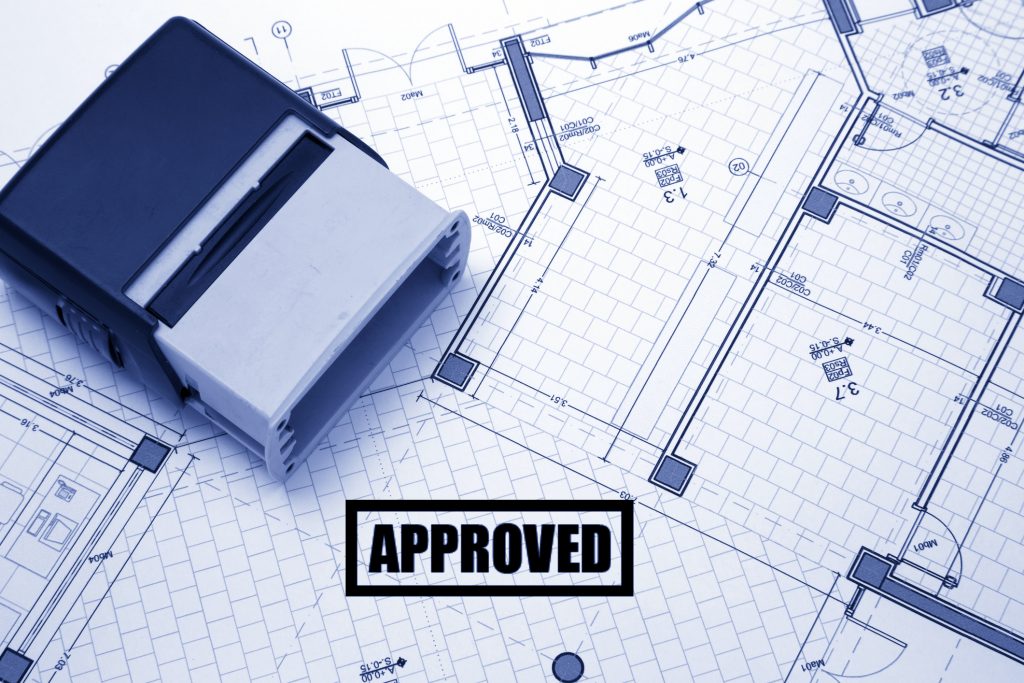
The third stage of our service is to complete the more detailed design work that is necessary to make a planning application for your project, The plans prepared at the Feasibility Study stage will be developed into a final design solution to be approved by you and we will then make the application for you.
The majority of property improvement works that involve extending require planning permission which deals with the appearance of the building and the impact it may have on the immediate neighbours and the general area.
Some works fall within ‘permitted development’ which is a category that means planning permission is not required and usually applies to proposals that are minor in nature and fairly uncontroversial. We will usually advise you if your proposal falls within permitted development during our Feasibility Study service and we would recommend obtaining a Certificate of Lawfulness to avoid any issues when selling the property in the future. There is lots of useful information on planning permission at the government website planningportal.co.uk.
Making The Application and Timescales
In recent years, the amount of additional information required to make a planning application has increased substantially. We will assist you with appointing specialist consultants and obtaining supporting documentation as required. We have included below a general summary of typical documentation that may be required when making a planning application. The preparation of this information can delay the submissions as it is a good idea to have all the information prepared before making the application.
It generally takes around 10-12 weeks to obtain a planning decision and, if your proposed scheme is refused permission, you are entitled to appeal the decision to the Secretary of State. We can assist with this process if required. using specialist planning consultants.
Additional Documentation
Ecological Information.
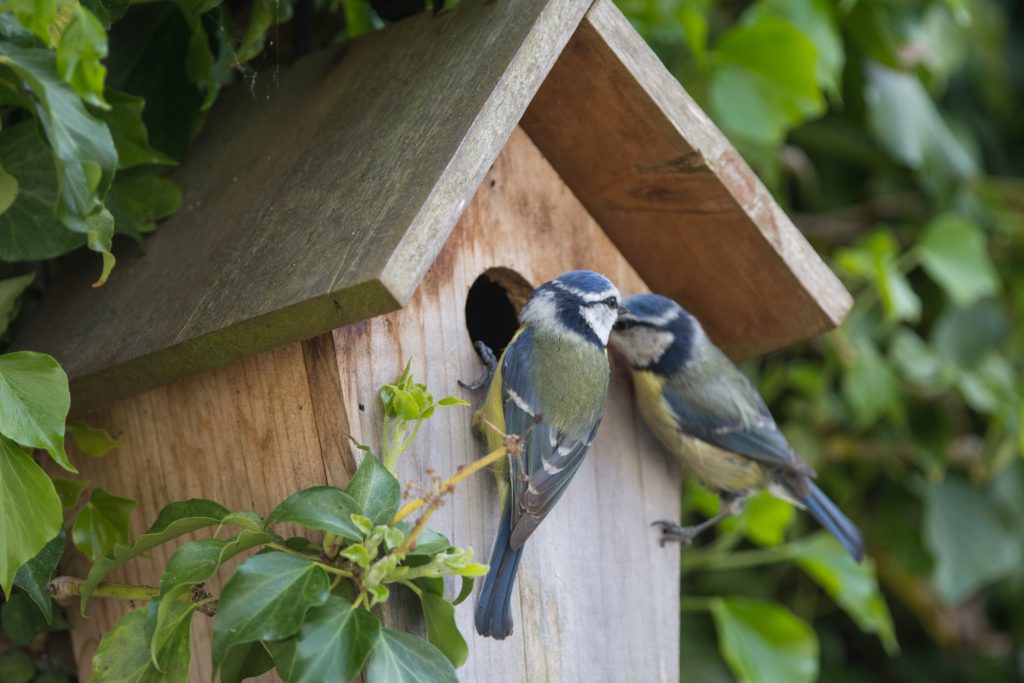
Many planning application now require an ecology assessment to demonstrate that the property will provide an enhanced ecological standard once the works are completed. This could include the provision or bird boxes, hedgehog housing, bat roosting and additional landscaping/tree planting.
Design and Access Statement
Most planning application require a Design and Access Statement which is a supporting document that provides additional information on why an application should be approved. This can include examples of properties nearby with similar approved projects, clarification of local planning policies and other information justifying the application.
Flood Risk Assessment
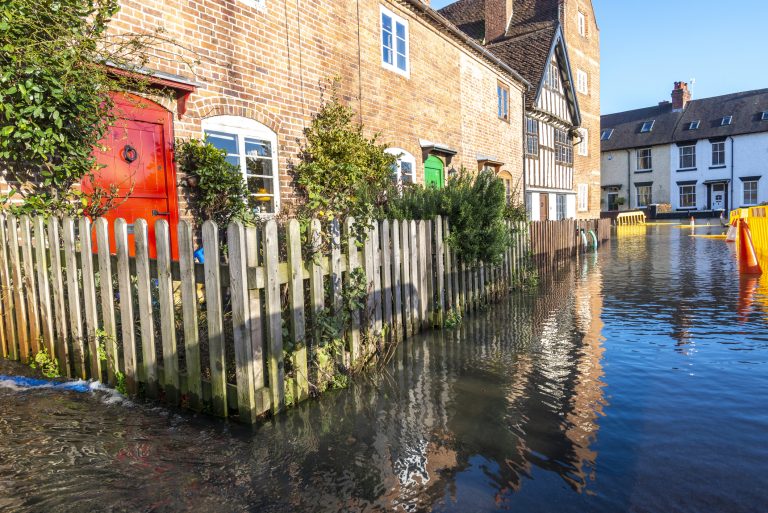
A flood risk assessment (FRA) is an assessment of the risk of flooding from all flooding mechanisms, the identification of flood mitigation measures and should provide advice on actions to be taken before and during a flood. The sources of water which produce floods include: groundwater, surface water (rivers, streams or watercourses), artificial water (burst water mains, canals or reservoirs), sewers and drains, and seawater.
Tree survey
Many planning applications require an arboreal survey by a specialist as part of the submission documents. If there are trees nearby with Tree Protection Orders (TPO’s), the planners are likely to require a method statement describing how the building works will avoid damage to the tree and protection to the root zones. [
Fire Statement
A flood risk assessment (FRA) is an assessment of the risk of flooding from all flooding mechanisms, the identification of flood mitigation measures and should provide advice on actions to be taken before and during a flood. The sources of water which produce floods include: groundwater, surface water (rivers, streams or watercourses), artificial water (burst water mains, canals or reservoirs), sewers and drains, and seawater.
Other Documents
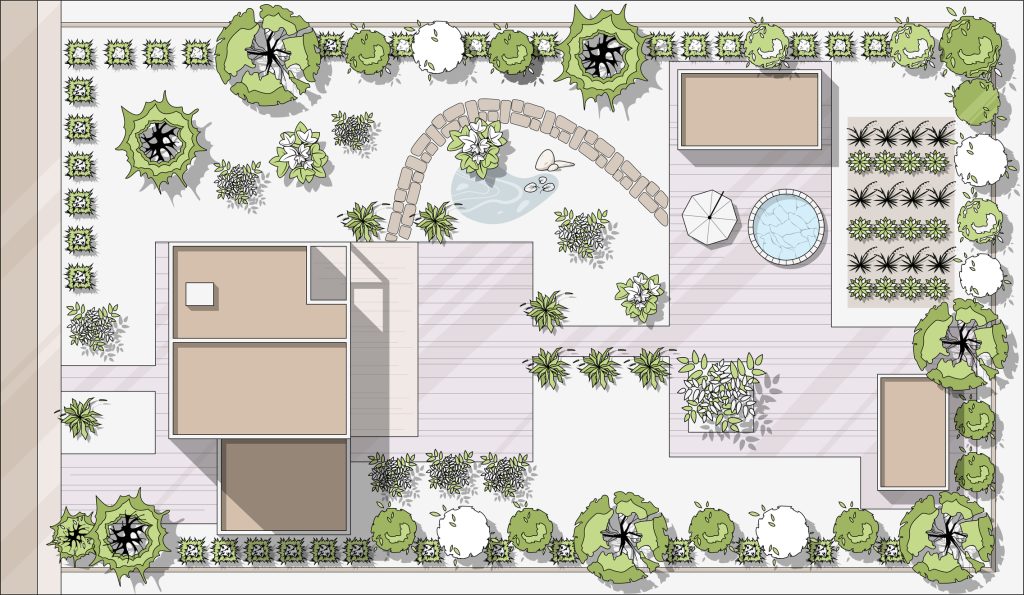
In recent years and, in addition to the above, we have had to supply landscape designs, car parking plans, bicycle storage and waste bins storage information, light path studies and numerous other documents requested by the planners.
Sometimes, this information is requested as part of the application validation process and we will liaise with you on these matters as required.
Other Consents
There may also be other approvals required for your project and we will assist you with obtaining these.
Listed Building Consent – if your property is a listed building, you will also need to get listed building consent in addition to planning permission.
Management Scheme Approval – there are many areas where local organisation will also have to be consulted such as Letchworth and Welwyn Garden City and Dulwich Estates. There is usually a fee to pay for these approvals.
Developer Consent – particularly for new properties, developers often add a clause to the property deeds ensuring they need to approve any alterations over a given period (usually around ten years from the building completion). This is often in place to restrict alterations whilst they are still completing the development of a site.
Freeholder Consent – you may also require approval from other freeholders where the property is a flat or leasehold.
How Much Does This Stage Cost?
The cost of this stage varies depending on the size of the project works and our fees are shown on the Design Fees section of our website.
Our fee is payable upon completion of the planning drawings prior to submission for planning permission.
Some larger, complex projects are quoted on an individual basis.
We have included a number of sample drawings below (customer details have been removed for data protection) to give you an idea of the difference between planning drawings and building Regulations drawings. As part of our service, we also provide you with a Specification of Works at the Building Regulations stage to help define the extent of the works to you and the builder.,